
Trade Show Lead Generation: A B2B Service Company’s Playbook for Real Connections
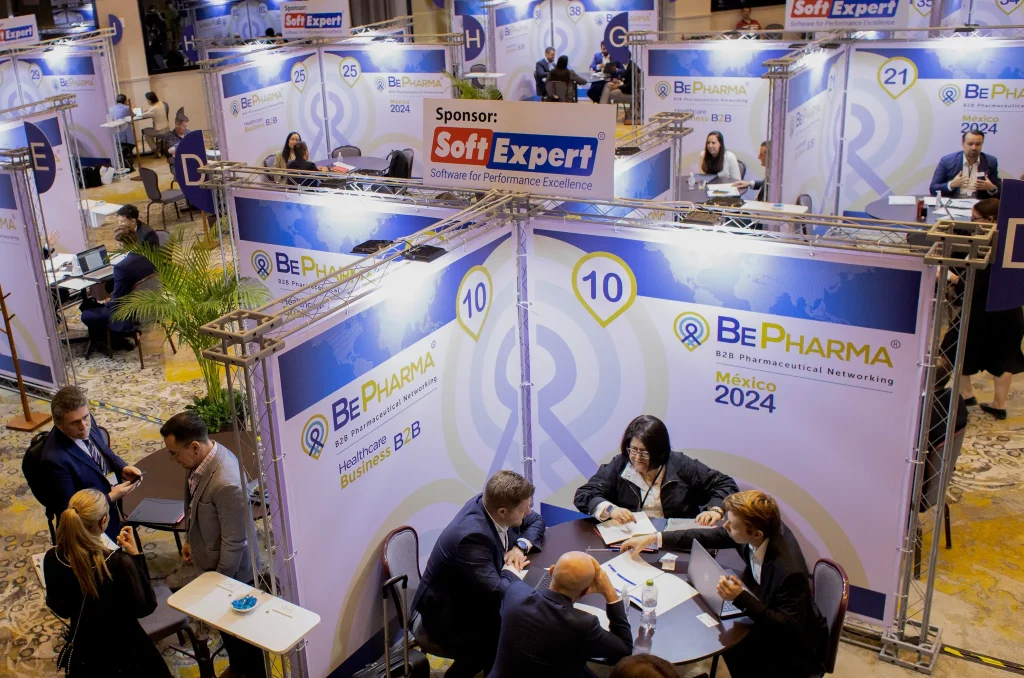
Let’s be honest. For a B2B service company, a trade show floor can feel like a strange mismatch. You’re surrounded by flashy booths with giant machinery, free swag, and product demos… and you’re selling something intangible. Expertise. A process. A solution that lives in spreadsheets, meetings, and results. It’s easy to feel like you’re at a disadvantage.
But here’s the deal: that’s your secret weapon. While everyone else is shouting about features, you have the unique opportunity to build relationships and generate high-quality, conversation-ready leads. The kind that turn into clients. It just requires a shift in strategy—from product-pusher to problem-solver.
Rethinking the Goal: It’s Not About the Fishbowl
First, we need to trash the old playbook. If your primary goal is to collect as many business cards as possible for a prize draw, you’re fishing with a net full of holes. You’ll get leads, sure, but most will be cold, irrelevant, or just in it for the free iPad.
For B2B services, your trade show goal should be qualified conversations. Think of it as pre-qualifying your sales pipeline on the spot. You want fewer names and more meaningful dialogues. This changes everything about how you plan, from your booth design to your follow-up.
The Pre-Show: Your Hidden Advantage
Honestly, the real work happens before the doors open. This is where you separate the amateurs from the pros.
- Hyper-Targeted Outreach: Use the attendee list (if available) or LinkedIn to identify 25-50 ideal prospects. Don’t just email a brochure. Send a personalized invite referencing a specific pain point or their industry. Offer to schedule a 15-minute chat at your booth—you’d be shocked how well this works.
- Content as a Beacon: Create a killer, tangible piece of content—an “industry diagnostic,” a benchmark report, a framework whitepaper—that addresses a current, urgent challenge. This isn’t a generic brochure. It’s your conversation starter. Promote it heavily in pre-show emails and social media.
- Train Your Team on “The Why”: Every staffer must be able to articulate, in one clear sentence, why a prospect should care. Not what you do, but what problem you solve for them. Role-play. It feels awkward, but it’s crucial.
Booth Strategy: Designing for Dialogue, Not Demos
Since you can’t demo software code or a consulting methodology, your booth space must be engineered for talk. Think of it as a consulting office that happens to be on a noisy show floor.
- Open & Inviting Layout: Ditch the high counters that create a barrier. Use low tables, a couple of comfortable stools, and an open space. You’re inviting people in, not walling them out.
- Visuals That Ask Questions: Instead of “We Provide Top-Tier Cybersecurity Services,” try a headline like, “Is Your Data Really Safe? Let’s Diagnose Your Exposure in 5 Minutes.” See the difference? One states, the other engages.
- The Interactive Element: This is key. For a service company, interaction is intellectual. It could be a live poll displayed on a screen (“What’s your #1 supply chain headache?”), a quick whiteboard “consultation,” or a simple prize wheel where every spin wins a relevant resource (not junk). The goal is to start a conversation, not just hand out trinkets.
Conversation Cadence: The Art of the Qualifying Chat
Okay, someone’s at your booth. Now what? This is the moment. Your team’s opener shouldn’t be “Can I tell you about us?” It should be, “What brought you to the show this year?” or “What’s one challenge you’re hoping to solve here?”
Listen. Actually listen. Then, and only then, you can say something like, “You know, we were just talking with another company about a similar issue with [X]. The framework we walked through might be useful for you—can I sketch it out quickly?”
You’re having a consultative dialogue in a trade show aisle. It’s powerful. Your lead capture, then, becomes a natural next step: “This is getting into the weeds. Why don’t I send you that diagnostic tool we created, and we can schedule a proper 30-minute chat next week?” Scan their badge with that specific follow-up in mind.
The Follow-Up: Where Most Leads Go to Die (And How to Fix It)
This is the graveyard of trade show ROI. You have 48 hours, max. After that, your hot lead is colder than yesterday’s coffee.
| Timeline | Action | Key for B2B Services |
| Day 1 (Post-Show) | Personalized email referencing your conversation. | Mention the specific pain point or resource you promised. Attach that exact piece of content. No mass emails. |
| Day 3 | LinkedIn connection request with a custom note. | Add context: “Great chatting about [topic] at [Event Name]. Looking forward to continuing the conversation.” |
| Day 5-7 | Second touch: share a relevant article or case study. | This isn’t a “checking in” email. It’s providing more value based on their expressed interest. |
| Day 10 | Direct phone call. | Reference the full journey: “I’m following up from our chat at the show, after sending you the diagnostic report. Wanted to see what your thoughts were…” |
The system works because it’s personal, prompt, and provides continuous value. It treats the trade show lead not as a name in a database, but as a conversation already in progress.
Measuring What Actually Matters
Forget “total leads scanned.” Track metrics that tie to your real goal: qualified conversations. How many scheduled follow-up meetings did you book on the spot? What was the percentage of leads tagged as “Hot” or “Qualified” by your team? What’s the email open rate on your Day 1 follow-up? (It should be sky-high if you personalized it).
These numbers tell the true story of your trade show ROI for B2B services. They measure the depth of connection, not just the surface-level scan.
The Final Thought: Be the Oasis
Trade shows are overwhelming. They’re loud, busy, and frankly, exhausting. For a decision-maker wading through a sea of sales pitches, your B2B service booth can be something different. An oasis. A place of insight, not just information. A chance to have a real conversation about a real problem.
When you focus on generating understanding instead of just generating leads, something shifts. The leads you do get aren’t just contacts; they’re the beginnings of partnerships. And in the world of B2B services, that’s the only thing that ever really mattered.


